Service · Bulldog dental care
Bulldog Dental Care and Airway-Aware Anesthesia Planning in Los Angeles
Dental care for Bulldogs and French Bulldogs starts with examination and individualized planning. When a procedure under anesthesia is discussed, brachycephalic airway considerations are part of that plan — without turning this page into a generic dentistry or anesthesia landing page.
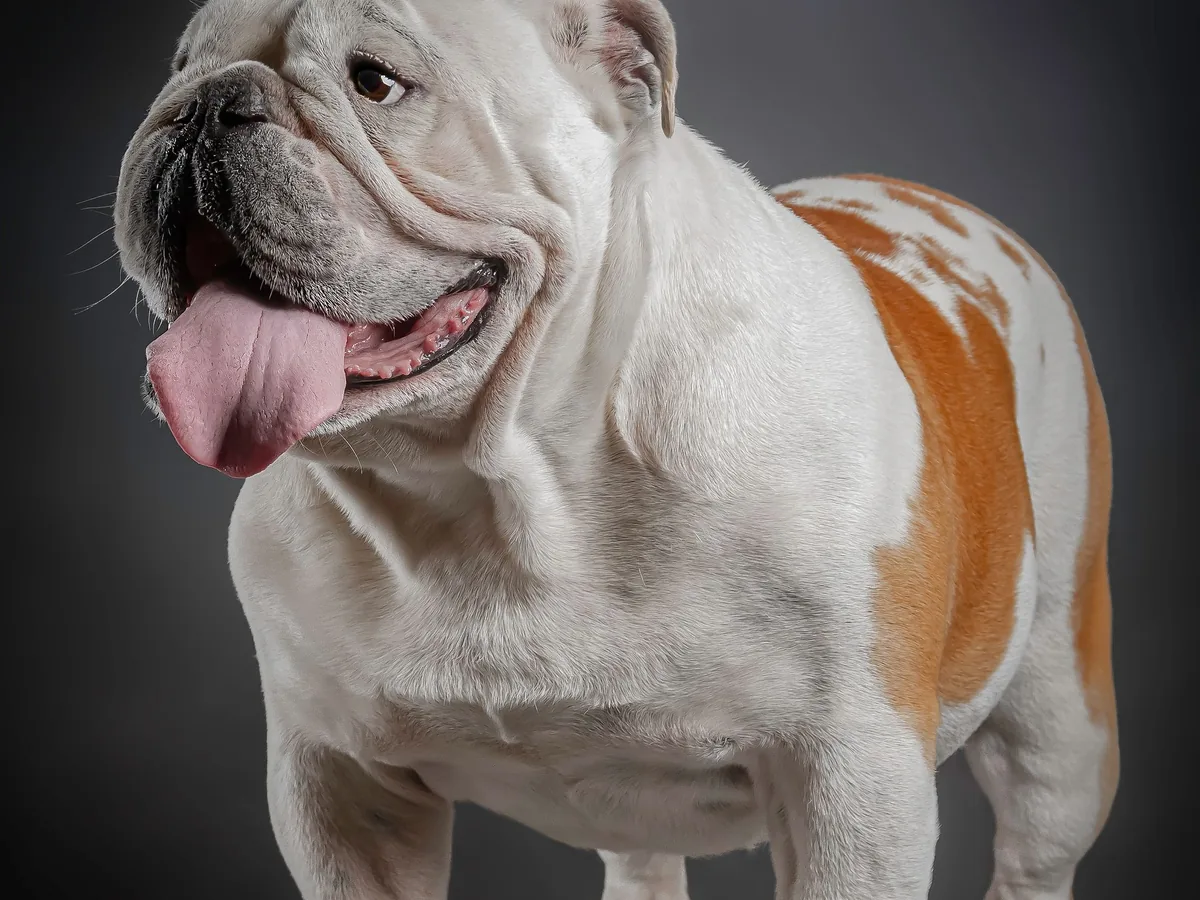
- Oral discomfort signs should be evaluated rather than self-diagnosed.
- Treatment recommendations follow examination of the individual dog.
- Anesthesia planning for Bulldogs considers airway anatomy; no anesthetic plan is without risk.
Signs that may suggest oral discomfort
Families may notice bad breath, drooling, difficulty chewing, dropping food, pawing at the mouth, facial swelling, or reluctance to have the mouth handled. These signs have several possible causes. An examination clarifies what is happening before any treatment plan is recommended.
What a dental examination may include
Evaluation usually begins with history and a visual oral examination. When a fuller assessment under anesthesia is clinically indicated, the team may discuss charting of the teeth and gums, cleaning when appropriate, and treatment of identified problems. Imaging of the teeth and supporting structures may be discussed when clinically indicated — specific equipment and techniques are confirmed during consultation rather than promised in advance.
Treatment after evaluation
Recommendations depend on what the examination shows. Some dogs need home-care guidance and monitoring; others may need professional cleaning or additional care under anesthesia when indicated. Extractions or other interventions are discussed only after the findings support them — not as a default package.
Airway-aware anesthesia planning for dental visits
For Bulldogs and French Bulldogs, dental anesthesia planning considers brachycephalic airway anatomy, body condition, and the length and nature of the procedure. Plans are individualized after examination. This page does not publish drug protocols or monitoring checklists; those details belong in the consent discussion with the veterinary team.
When upper-airway disease is a separate clinical question, see the BOAS and airway evaluation pathway. For preparation questions that apply across procedures, read the anesthesia questions resource.
Clinical setting
Clean exam-room context for anesthesia planning discussions. No oral surgery or dental procedure imagery is shown.

Portrait photograph of light-wood wall paneling, a teal cabinet with white countertop, and a small wall monitor in a clean exam room. No patient procedure is shown.
Recovery and home care
Recovery depends on what was done and on the individual dog. Soft-food periods, activity guidance, and recheck timing are individualized. General home dental care — such as veterinary-recommended oral hygiene products when appropriate — may support comfort between visits, but it does not replace examination or professional care when disease is present.
When to seek prompt care
Facial swelling, inability to eat or drink, uncontrolled bleeding from the mouth, severe pain, or sudden breathing distress after a dental visit should be treated as urgent. This website is not an emergency service.
Consultation and coordination
Many dental visits remain with the primary veterinarian. When breed-aware anesthesia planning or a second opinion may help, families can request a Bulldog consultation. Veterinarians can share records through the referral pathway. Learn more about Dr. Antonio Pedraza and the clinical approach.
Frequently asked questions
Why discuss dental care specifically for Bulldogs?
Crowded teeth, jaw conformation, and facial anatomy can make oral hygiene and dental disease management more challenging in some Bulldogs and French Bulldogs. Recommendations follow an examination of the individual dog.
What happens during a dental evaluation?
Evaluation typically starts with history and a visual oral examination. Further assessment under anesthesia may be discussed when clinically indicated. The exact plan depends on examination findings.
Why does airway history matter for dental anesthesia?
Brachycephalic anatomy can influence how induction, airway management, and recovery are planned. Dental care is not a second BOAS page — airway context is limited to anesthesia planning relevant to the dental visit.
Is anesthesia without risk?
No. Any anesthesia carries risk. Planning aims to manage that risk thoughtfully for the individual patient and procedure. Outcomes are not promised in advance.
How often should teeth be checked?
There is no single interval that fits every Bulldog. Frequency depends on the dog, home care, and your primary veterinarian’s guidance.
Related educational resources
These articles answer common owner questions. They do not replace examination or the consultation details on this service page.
Educational references
External sources are linked for further reading. We do not reproduce their text.
Educational information · Dental & anesthesia. This page does not replace an examination, diagnosis or case-specific treatment plan from a veterinarian.
Ready to plan your bulldog's care?
Request a consultation and our team will follow up to schedule and review records.